What Becomes Scarce When Software Gets Cheaper to Build?
Cheaper software creation can increase the value of choosing well, earning attention and accepting responsibility for maintained outcomes.
THE READING ROOM
THE READING ROOM
Cheaper software creation can increase the value of choosing well, earning attention and accepting responsibility for maintained outcomes.
Disagreement becomes useful when it produces a testable alternative. Treat fluent assistance as a proposal whose assumptions can be challenged.
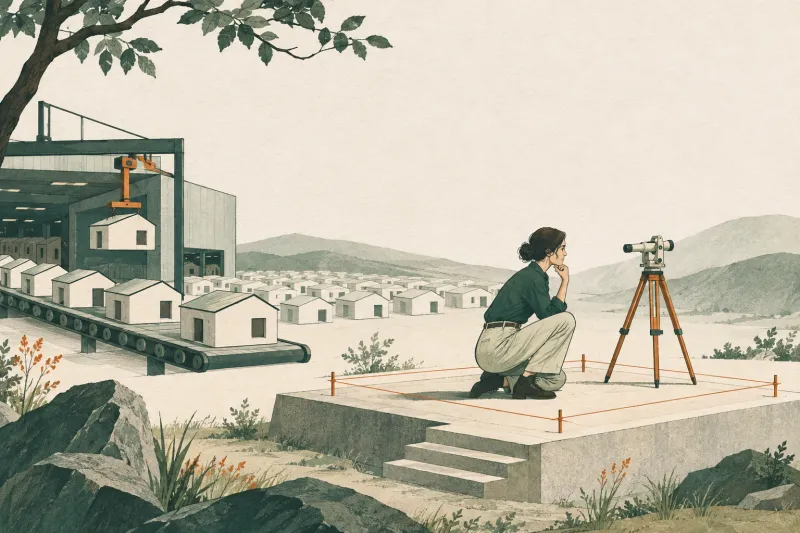
When creation gets cheaper, work moves into selection, review, integration and operation. The economic unit should be a maintained outcome.
Engineering judgment is built through specific decisions and feedback. A career strategy should develop that ability without treating technical fluency as disposable.
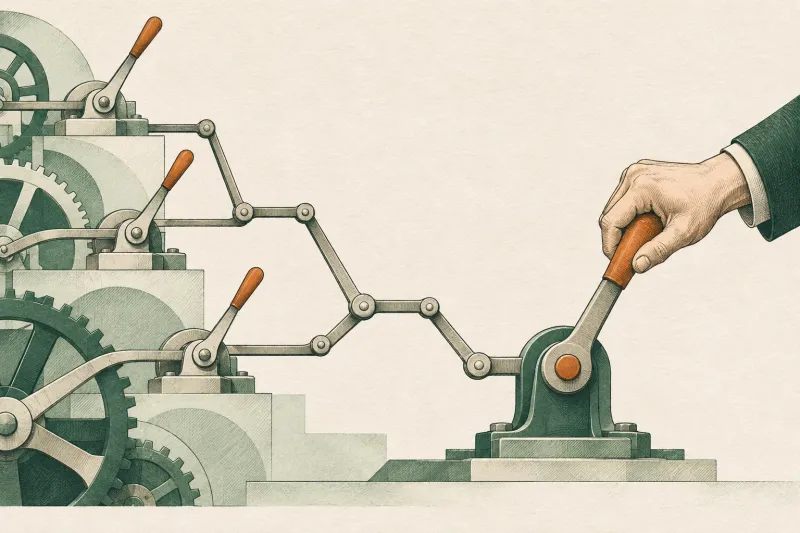
Human oversight works only when a person has a real decision to make, sufficient context and the authority to change the outcome.
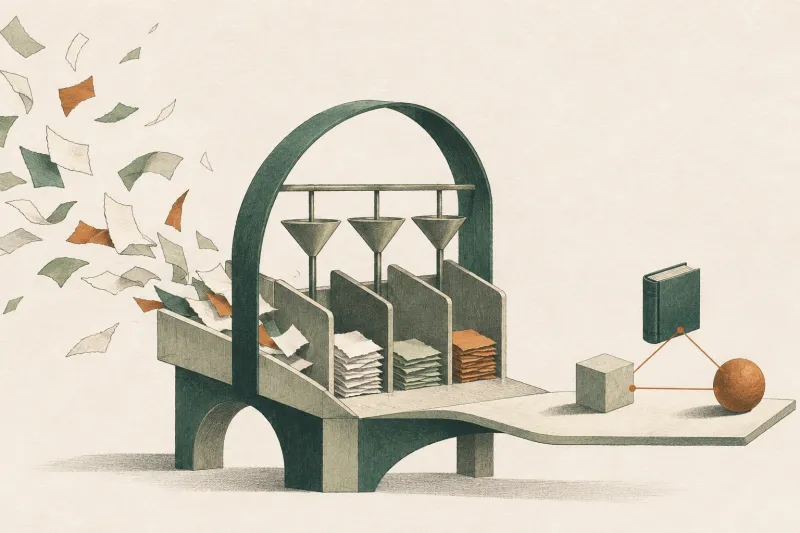
Retrieval supplies material for reasoning. Knowledge requires context, provenance and a defensible connection between evidence and decision.
An agent completion statement should point to observable acceptance, not merely announce effort. The definition of done must survive a handoff.
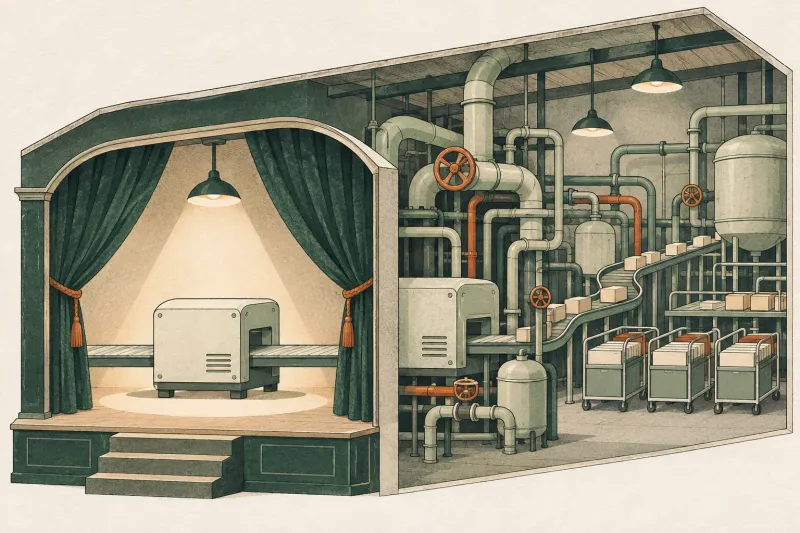
A convincing demonstration measures a narrow slice of work. A useful productivity claim must follow the change through acceptance and operation.
Private AI discussions can improve thinking while leaving a team with incompatible assumptions. Architecture becomes shared through inspectable commitments.
Generated code still enters an organization through human decisions. Responsibility becomes useful when authority, evidence and correction have named owners.
AI-managed work needs more than an approval button: people need a credible route to question the priorities and rules they are expected to follow.
Faster assisted performance is not the same as stronger independent judgment. Mentoring should make predictions, explanations and transfer visible.